

Learn the psychology behind game success at Extreme Spins Casino.
The Power of Anticipation in Casino Games
The thrill of a casino game, whether played online or in person, is often deeply rooted in the psychology of anticipation. Players experience a surge of excitement as they place a bet, awaiting the outcome. This waiting period is filled with a mix of hope and a touch of anxiety, a potent cocktail that keeps the adrenaline flowing. This anticipation is a key driver for engagement, making every spin or card dealt a moment of potential triumph.
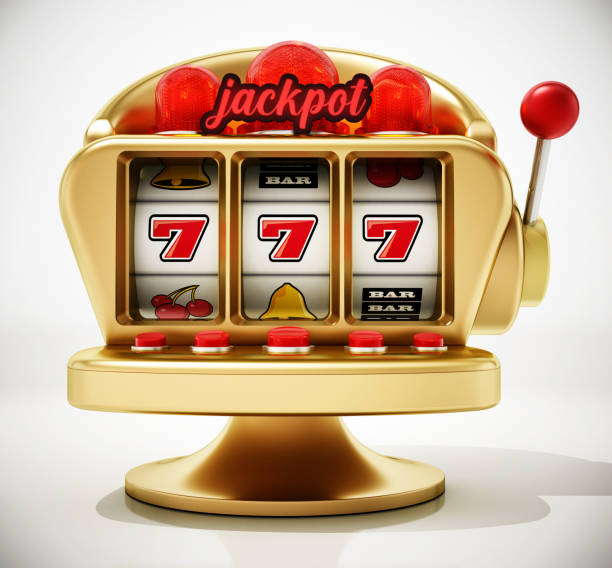
At platforms like , this psychological element is amplified. The rapid pace of online gaming means that each cycle of anticipation is shorter, allowing for more frequent bursts of excitement. This constant build-up and release of tension can create a powerful loop, encouraging players to continue their gaming sessions in pursuit of that next exhilarating moment. extreme spins bonus
Cognitive Biases and Player Decisions
Casino games, including those found at , are fertile ground for cognitive biases. The “near miss” phenomenon, where a player almost wins, can create a strong urge to play again, believing victory is imminent. Similarly, the gambler’s fallacy—the mistaken belief that past independent events influence future outcomes—can lead players to make irrational decisions, such as betting more after a series of losses.
Understanding these biases is crucial for players who wish to approach gaming with a more strategic mindset. Recognizing when these mental shortcuts are influencing decisions can help in making more informed choices, rather than being swayed by subconscious psychological drivers. It’s about maintaining a rational outlook amidst the emotional ebb and flow of the game.
The Role of Reward Systems and Dopamine
The human brain’s reward system, particularly the release of dopamine, plays a significant role in the appeal of casino games. The intermittent reinforcement schedule—where rewards are not given at predictable intervals—is highly effective at encouraging repeated behavior. This is precisely how many slot machines and other chance-based games are designed.
When a player at hits a winning combination, even a small one, it triggers a dopamine release, creating a feeling of pleasure and reinforcing the behavior. This association between playing and experiencing positive feelings is a powerful psychological hook, driving continued participation in the hope of replicating that rewarding sensation.
Emotional Regulation and Responsible Gaming
The excitement and potential for financial gain associated with casino gaming can evoke a wide range of emotions, from elation to frustration. Effective emotional regulation is a key component of responsible gaming. Players who can manage their emotional responses are less likely to make impulsive decisions driven by the heat of the moment, whether that’s chasing losses or wagering more than intended after a big win.
Recognizing the psychological impact of wins and losses is paramount. Tools and resources that promote mindful play and help players set limits are essential. A healthy approach involves understanding that casino games are primarily for entertainment, and maintaining a balanced perspective is vital for a positive gaming experience at any online establishment.

Exploring Extreme Spins Casino’s User Experience
aims to provide an engaging and psychologically stimulating environment for its players. The platform likely employs various design elements and game mechanics to tap into the psychological drivers that make casino gaming appealing. This includes the visual and auditory feedback provided by the games, which are often optimized to create a sense of immersion and excitement.
From the moment a player lands on the site, the user interface is designed to draw them in. The presentation of bonuses, the variety of game options, and the seamless transitions between different gaming experiences all contribute to a psychological journey. The casino’s focus on providing a broad selection of games, from classic slots to potentially more complex table games, caters to different player preferences and their underlying psychological motivations for playing.